From Standard to Modern: Find the Ideal Eating Room Table Legs for Your Design
While traditional designs such as cabriole and transformed legs evoke a sense of timeless sophistication, modern styles like barrette and geometric choices provide a possibility for striking visual rate of interest. As you take into consideration these components, the inquiry remains: exactly how can you seamlessly incorporate these diverse leg styles to develop a harmonious dining experience?
Comprehending Table Leg Styles
The range of dining-room table leg designs can considerably affect both the appearances and functionality of the room. Each leg design contributes distinct useful features and visual elements, accommodating diverse design preferences and use requirements. Comprehending these designs is vital for choosing the right eating table that straightens with your general interior decoration vision.
For instance, tapered legs provide a clean, classic appearance that can improve an area's sophistication, while stand bases provide stability and maximize legroom, making them optimal for smaller sized rooms. Hairpin legs, a characteristic of mid-century contemporary design, present a commercial panache, permitting a ventilated, open feeling. Similarly, trestle legs stimulate rustic charm, offering durable assistance and a sense of eternity.
Additionally, the option of materials plays a significant function. Wood legs can bring warmth and structure, whereas steel alternatives usually share a smooth, modern ambiance. Inevitably, recognizing table leg styles is crucial for producing a cohesive dining area that shows individual style while guaranteeing practicality and comfort. By attentively taking into consideration these aspects, you can enhance both the aesthetic and functional charm of your dining space.
Conventional Table Leg Options
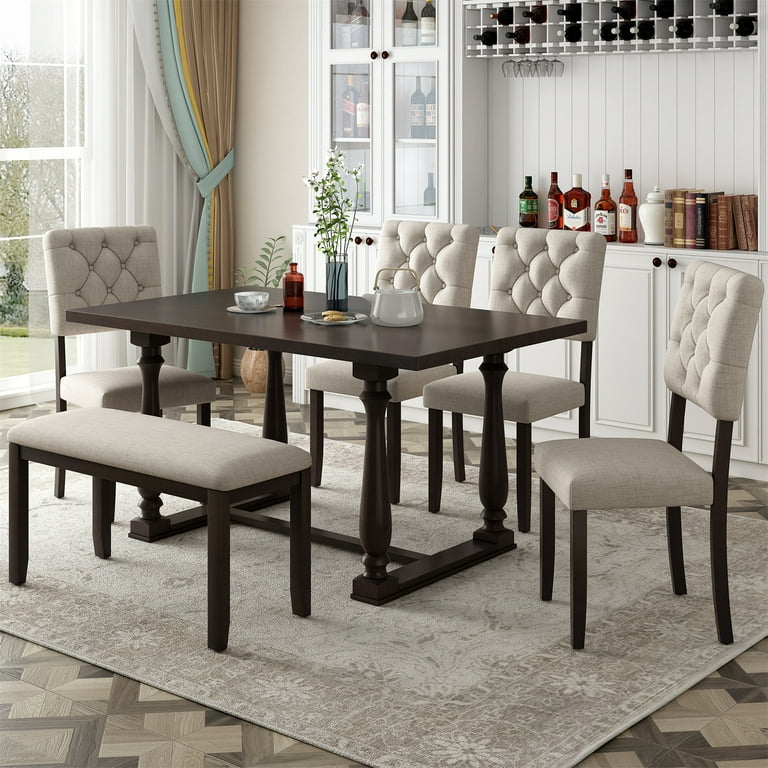
When picking dining-room table legs, conventional alternatives usually symbolize classic elegance and workmanship. These styles mirror a rich heritage and a commitment to high quality, making them optimal for those who appreciate traditional visual appeals.
Among one of the most iconic typical leg styles is the cabriole leg, identified by its stylish rounded form. This style commonly features ornamental carvings and is most frequently found in Queen Anne and Chippendale furniture. Another preferred choice is the transformed leg, which flaunts a series of smooth, rounded shapes that supply a classic appearance while maintaining security.
Moreover, the straight leg, while simple, offers a tough and unadorned structure that can mix flawlessly with a variety of tabletop styles. For those attracted to ornate describing, claw-and-ball feet legs evoke a feeling of majesty and can function as a spectacular centerpiece in any kind of eating room.
Finally, stand bases, although not purely legs, provide an alternate typical choice that enables sufficient legroom and can be beautifully carved. Each of these typical leg styles contributes to the overall setting of a dining-room, marrying function with visual appeal.
Modern Table Leg Designs
Modern table leg designs supply a varied array of designs that emphasize cutting-edge materials and clean lines. These designs typically focus on functionality while offering as striking centerpieces within an eating room. Minimal aesthetic appeals are common, with legs crafted from click resources materials such as metal, glass, and crafted wood, which add to a modern and ventilated feel.
One prominent design is the barrette leg, characterized by its slim, conical framework that gives stability without overwhelming the table top (dining room table legs). This style is often found in mid-century modern furniture and can easily complement numerous table forms. One more trend is making use of geometric shapes, where legs may tackle asymmetrical or angular kinds, including aesthetic interest and a touch of artistry
Mixing Styles for Unique Spaces
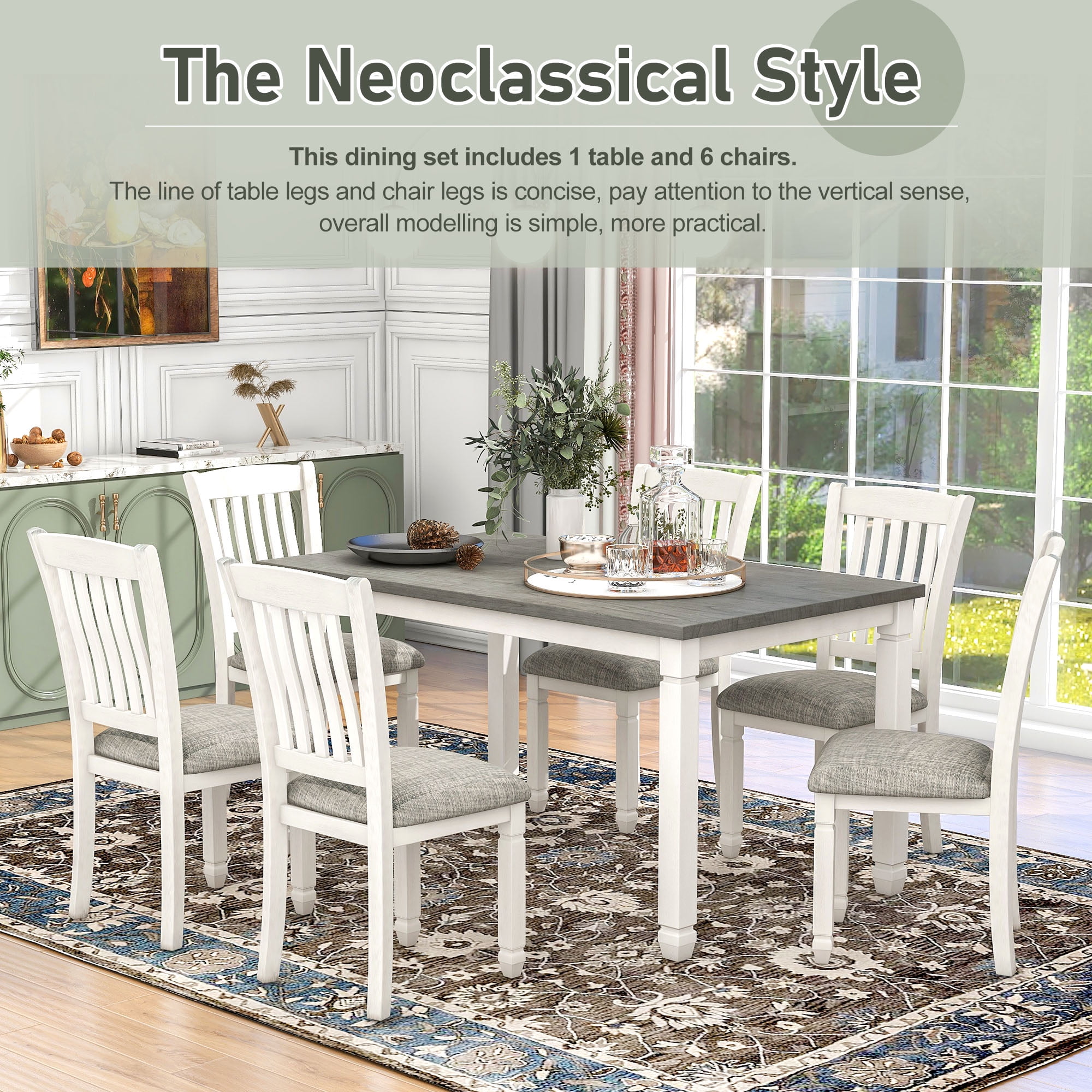
Often, property owners seek to develop distinct dining spaces that show their individual design by blending different design elements. This strategy enables the consolidation of diverse visual appeals, resulting in an unified yet unique atmosphere. Coupling a rustic wood table with streamlined, contemporary metal legs can produce a distinctive contrast that elevates the room's general charm.
Additionally, incorporating vintage table legs with contemporary tabletops can stimulate a feeling of history while preserving a modern-day sensibility. Such mixes not only display specific taste but likewise urge creativity, allowing home owners to curate a room that feels both individual and inviting.
Shade plays a vital duty in this mixing process; choosing table legs that complement or comparison with the existing color design can improve aesthetic passion. For instance, whitewashed legs can soften the daring of a dark table surface area, producing a balanced aesthetic.
Tips for Selecting the Right Legs
Choosing the right table legs is crucial for attaining both capability and visual charm in your dining space. Begin by considering the general style of your room. Typical settings gain from legs that feature detailed carvings or turned designs, while modern areas might ask for smooth, minimal styles.
Next, assess the height and security of the legs. dining room table legs. Typical table vary in between 28 to 30 inches in height, so make certain the legs match this dimension for comfort. In addition, robust materials, such as hardwood or steel, can boost stability and long life
Review the leg shape too-- choices include right, tapered, or stand layouts. Straight legs supply a classic appearance, while conical legs can add a touch of sophistication. Pedestal bases give enough legroom and are ideal for smaller spaces.
Conclusion
In recap, picking the ideal eating space table legs needs mindful factor to consider of both informative post modern-day and conventional styles. Conventional options such as cabriole and transformed legs provide timeless beauty, while modern layouts like hairpin and geometric forms give a modern touch. By balancing leg style, elevation, and product with the general Go Here design, a natural and welcoming environment can be accomplished. Ultimately, the selected table legs should reflect the wanted aesthetic, boosting the dining experience within the area.
The range of dining room table leg designs can significantly influence both the looks and capability of the area. Inevitably, understanding table leg designs is essential for developing a natural dining area that shows individual design while ensuring usefulness and convenience.One of the most legendary typical leg styles is the cabriole leg, identified by its stylish curved shape. Straight legs offer a classic look, while conical legs can include a touch of sophistication.In recap, choosing the perfect eating room table legs needs mindful consideration of both traditional and contemporary styles.